A better EcoFlow solar-kit RFQ: describe energy demand and the charging opportunity
Give suppliers enough information to propose a complete, reviewable station-and-panel kit rather than a visually attractive bundle.
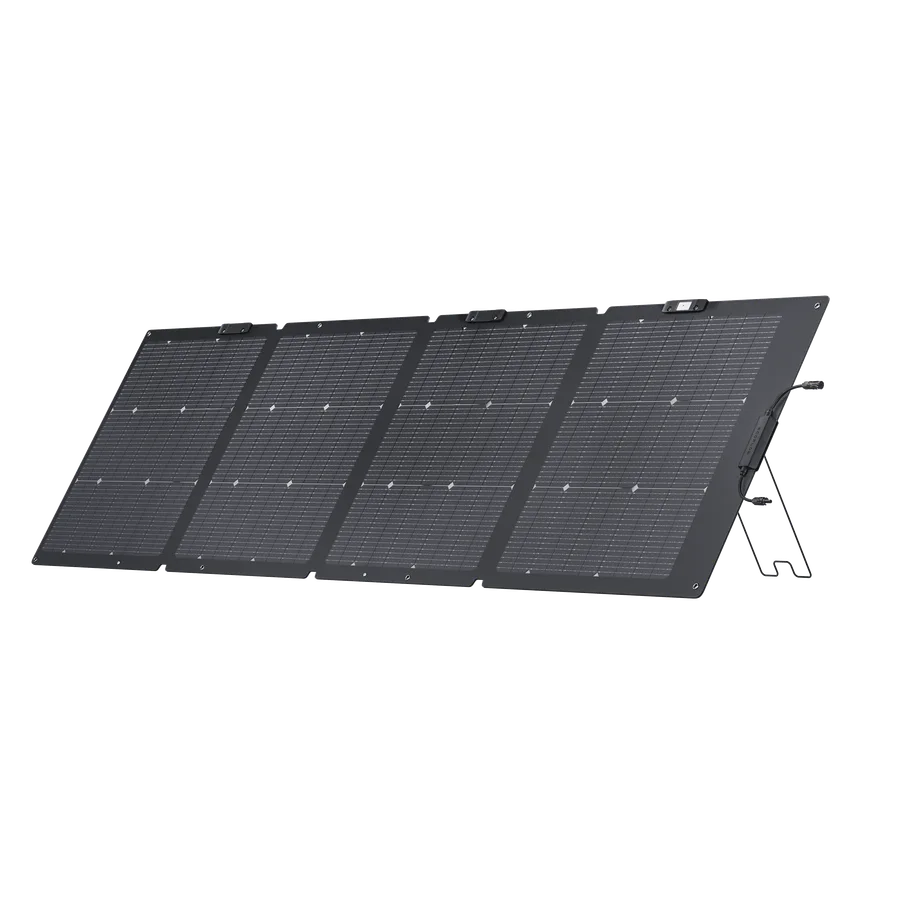
Describe both consumption and replenishment
A buyer may know how long a device must run but not how much time the panel will have in useful sunlight. Include both sides of the routine: the load schedule and the intended charging location. Do not assume that a panel’s nameplate power is continuously available throughout the day.
Require a reviewable component proposal
Ask the supplier to identify the station, panel count, cables and supported electrical arrangement. The proposed kit should be checked against official input limits before acceptance. If the quote uses a US product reference for an EU request, flag the regional configuration as unresolved rather than silently accepting the image as proof.
Compare complete offers
Evaluate the bill of materials, installation boundary, sample plan and support route, not only the total price. A low-cost bundle that omits a required input cable is not equivalent to a complete kit. Keep assumptions visible so the buyer knows what changes if the load or site changes.
- State destination and requested plug.
- List essential versus optional accessories.
- Request current availability without implying stock from a web listing.
Common buyer questions
Frequently asked questions.
What is the most useful first attachment to a solar RFQ?+
A concise load schedule and photographs or a description of the intended deployment area. These help expose missing application details before suppliers recommend a component combination.
Turn product knowledge into a precise buying request.
Tell us the destination, products, quantity, configuration and delivery requirements.