instax WIDE Evo setup and usage tips for buyer demonstrations
An original quick-start workflow for preparing, demonstrating, caring for and handing over instax WIDE Evo in a wholesale or retail sample program.
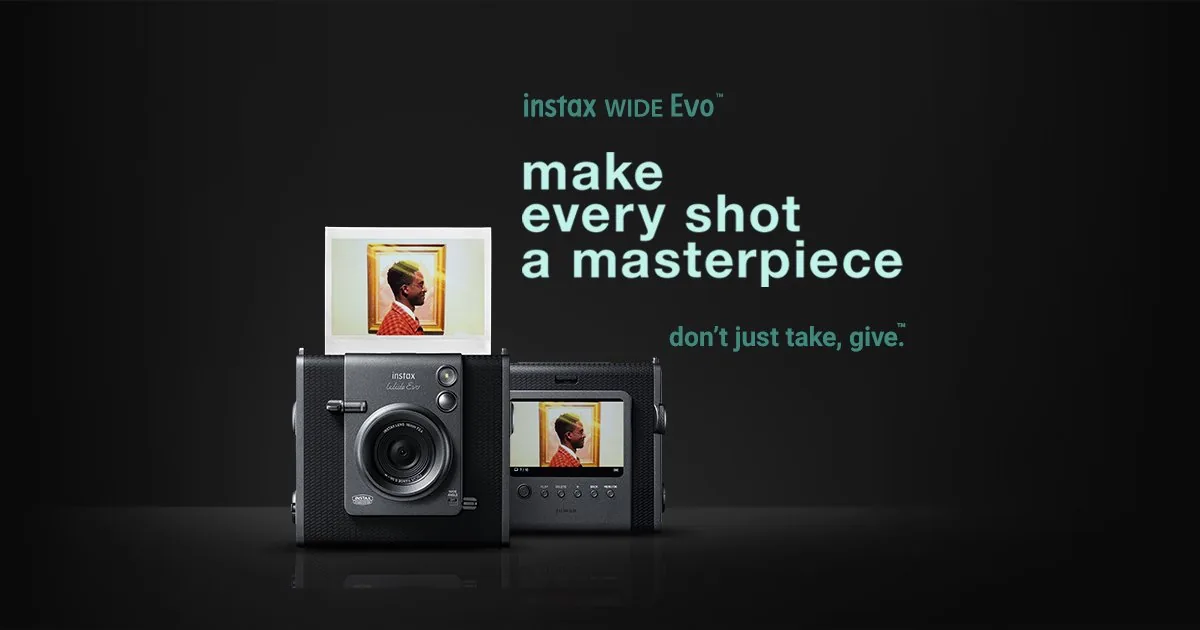
Prepare the exact unit and workspace
Confirm that the unit is instax WIDE Evo and that the sample matches Camera and WIDE film combinations by RFQ. Within the setup & usage guide for instax WIDE Evo, inspect the product, battery, ports, moving parts, film path or protective covers as applicable before power-up.
Within the setup & usage guide for instax WIDE Evo, use the official instructions supplied with the unit for safety and controls. In the instax WIDE Evo buyer record, this guide organizes a buyer demonstration; it does not replace the manufacturer manual.
- Lock the exact commercial identity: instax WIDE Evo, regional SKU, color or edition, and every included component. Apply this check to the quoted instax WIDE Evo setup and usage tips record.
- Use the manufacturer-listed capabilities as checkpoints: Hybrid camera and smartphone printer; Wide-angle lens and effect controls; instax WIDE film format. Apply this check to the quoted instax WIDE Evo setup and usage tips record.
- Document the high-risk validation focus before approval: app support, wide-film compatibility, effect workflow, storage, charging and regional onboarding. Apply this check to the quoted instax WIDE Evo setup and usage tips record.
Run one baseline workflow before changing settings
Within the setup & usage guide for instax WIDE Evo, the baseline for this category is box inspection, correct film loading, first exposure, close-up or effect workflow and customer handover. In the instax WIDE Evo buyer record, use default settings first, then change one variable at a time so staff can connect an observed result to a specific control.
In the instax WIDE Evo buyer record, record the software, firmware, accessory and environmental conditions. For this instax WIDE Evo decision, if a feature depends on an app, destination electrical standard or consumable, make that dependency visible during the demonstration.
Teach the three product signals with evidence
Use a short demonstration for Hybrid camera and smartphone printer. Follow it with a separate check for Wide-angle lens and effect controls, then explain how instax WIDE film format affects the customer workflow.
For this instax WIDE Evo decision, do not improvise safety, water, charging, load or compatibility instructions. For instax WIDE Evo, when the exact limit is uncertain, pause and consult the official documentation.
Finish with care and customer handover
For this instax WIDE Evo decision, reset the sample, back up or delete demonstration data appropriately, clean it with an approved method and return all accessories to their identified positions.
The handover should cover app support, wide-film compatibility, effect workflow, storage, charging and regional onboarding. Within the setup & usage guide for instax WIDE Evo, provide the customer with the official instructions, warranty route, compatible accessory or film list and a clear method for support.
Common buyer questions
Frequently asked questions.
Is this the official instax WIDE Evo manual?+
No. It is an independent demonstration workflow. The instructions supplied with the exact product remain authoritative for operation and safety. The relevant commercial position is hybrid wide-format capture and smartphone printing for premium lifestyle and event use.
Why begin with default settings?+
A default baseline is easier to repeat and helps identify whether a later result was caused by a setting, accessory or environmental change. The documented validation focus is app support, wide-film compatibility, effect workflow, storage, charging and regional onboarding.
What should be recorded after a demonstration?+
Record the unit identity, configuration, firmware or app version, accessories, settings, observed result and any unresolved issue. The intended channel context is events, hospitality, premium gifting, creator and specialist instant-imaging channels.
Turn product knowledge into a precise buying request.
Tell us the destination, products, quantity, configuration and delivery requirements.