USB-C camera battery charging tips: cables, inputs and kit clarity
A clear workflow for direct-charging camera batteries and the retail questions they create.
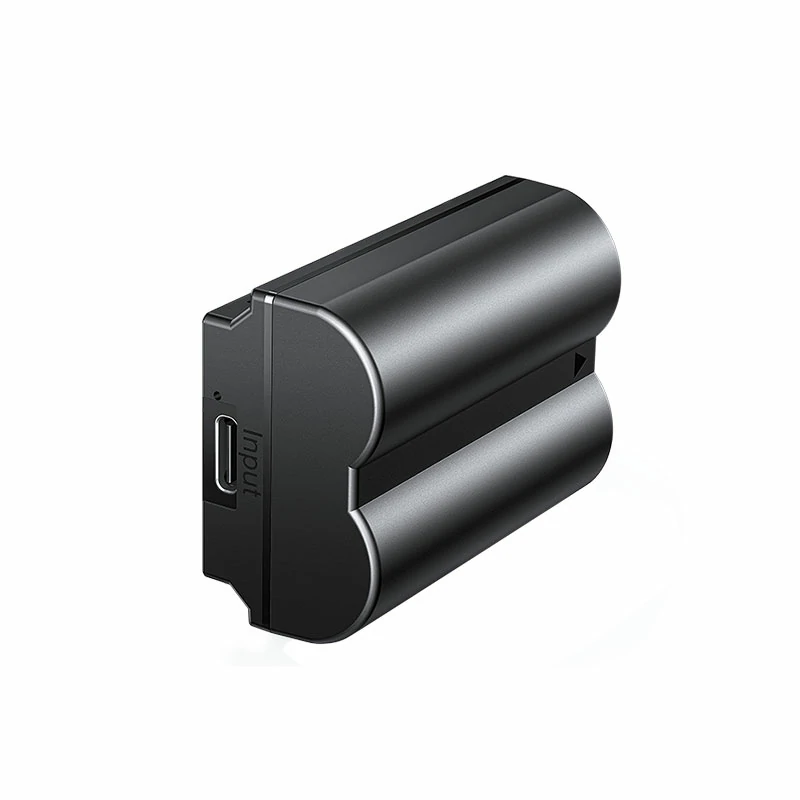
Prepare before the customer or crew arrives
A clear workflow for direct-charging camera batteries and the retail questions they create.
A short written checklist protects both the product and the schedule. Complete basic inspection, charging and compatibility work before the first important use.
- Confirm the exact battery family and camera compatibility.
- Use a suitable USB-C cable and supported power source.
- Inspect the port and battery case before charging.
Use a repeatable workflow
Consistency makes results easier to evaluate and problems easier to isolate. Change one variable at a time and keep original files or inventory records until the outcome is confirmed.
- Charge on a nonflammable, supervised surface.
- Observe status indicators and the specified charge sequence.
- Test the battery in the intended camera after charging.
Common mistakes to avoid
Most avoidable problems come from mismatched accessories, skipped preparation or unclear handling—not from the headline specification.
- Do not assume every USB-C source provides the same speed.
- Avoid damaged ports, cables or swollen batteries.
- Do not omit the cable and power-source requirements from customer instructions.
Turn the tip into buyer documentation
Distributors can convert these steps into a one-page staff checklist, sample protocol or customer handover card. Keep the content model-specific and link back to the official manual.
Common buyer questions
Frequently asked questions.
Do these tips replace the official instructions?+
No. They are general educational suggestions. Always follow the official manual, safety warnings and limits for the exact product.
Can distributors reuse the workflow for sample testing?+
Yes. Adapt it into a written protocol with the exact model, accessories, settings, pass/fail criteria and person responsible.
What should be documented after use?+
Record the product and accessory configuration, settings or inventory lot, observed result, any error message and the corrective action taken.
Turn product knowledge into a precise buying request.
Tell us the destination, products, quantity, configuration and delivery requirements.