360 camera product ranges: an importer evaluation report
A buyer-focused review of how sensor position, resolution, lens protection and editing workflow divide 360-camera ranges.
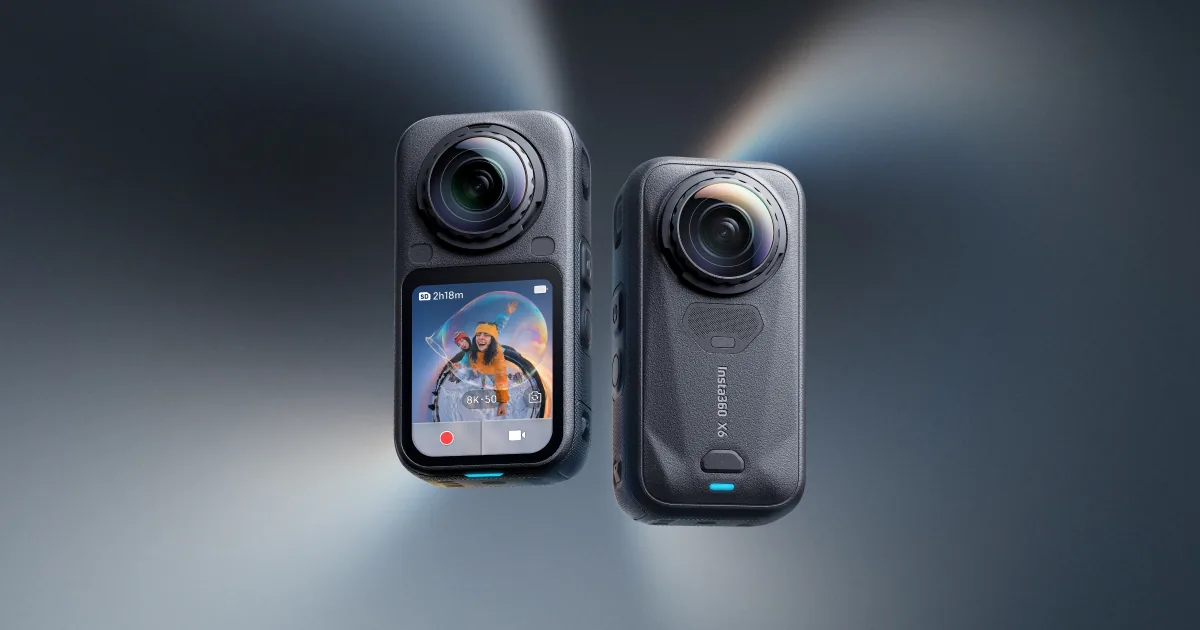
Scope of this industry evaluation
A buyer-focused review of how sensor position, resolution, lens protection and editing workflow divide 360-camera ranges.
The objective is to organize buyer questions and shortlist logic. It does not award a universal winner because destination, customer profile, price, bundle and support route change the correct decision.
- Current premium and mainstream 360-camera tiers
- Retail, tourism and creator applications
- Camera-to-app-to-export workflow
Evaluation criteria
Use the same written criteria for every candidate. A consistent matrix prevents headline specifications or a temporary price from dominating the entire decision.
- Image capture and low-light positioning
- Lens protection, repairability and storage demand
- Mobile and desktop editing requirements
What the desk review indicates
The specification pattern suggests several practical buying conclusions. These remain hypotheses until checked with samples and current quotations.
- Lens care is a commercial issue, not only a user tip.
- Higher resolution increases both opportunity and workflow cost.
- Retail demonstrations reduce misunderstanding of reframing.
Recommended buyer action
Convert the shortlist into a controlled sample plan and a line-by-line RFQ. Keep assumptions, pass/fail evidence and open questions attached to the product record.
- Sample one mainstream and one premium tier.
- Document the full export workflow on supported devices.
- Bundle protection and storage appropriate to the target user.
Common buyer questions
Frequently asked questions.
Is this an independent laboratory review?+
No. It is a transparent desk evaluation based on published specifications and wholesale buying scenarios. It does not claim hands-on laboratory measurements.
Does the report select one universal winner?+
No. The correct shortlist depends on destination, buyer segment, bundle, route, support and price. The report explains how to decide.
What should happen before a volume order?+
Obtain current quotations, verify documentation, test representative samples with a written protocol and confirm the destination-specific sales and service route.
Turn product knowledge into a precise buying request.
Tell us the destination, products, quantity, configuration and delivery requirements.