Action camera or 360 camera? A practical wholesale buying guide
Understand the shooting workflow, accessory needs and buyer profiles that separate conventional action cameras from 360-degree cameras.
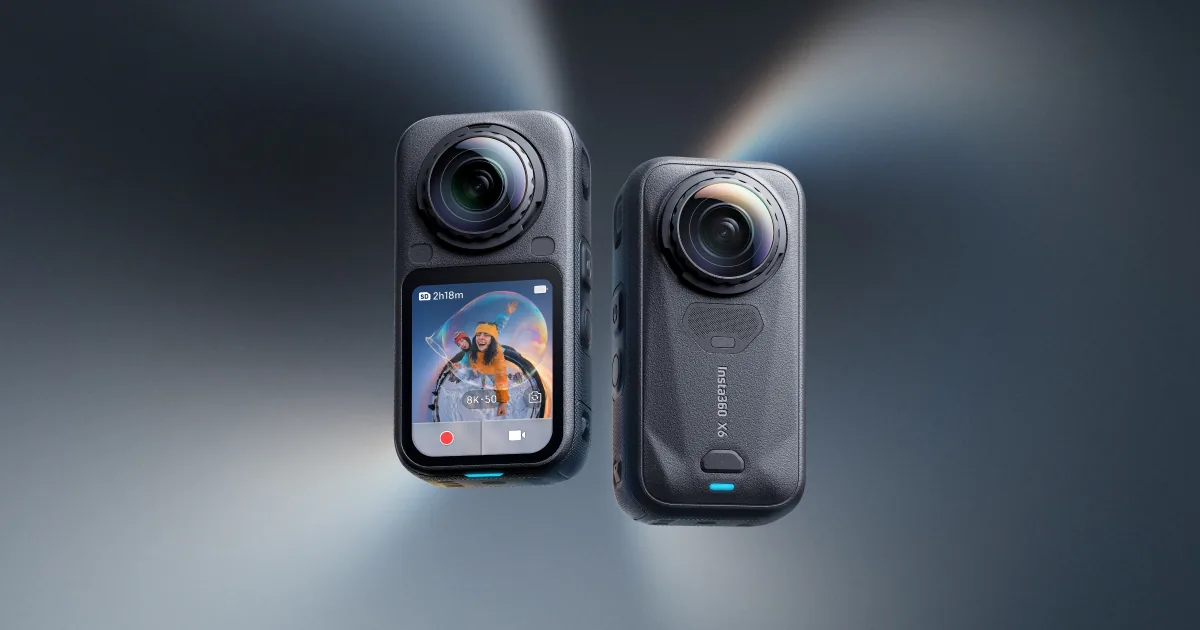
The fundamental difference is the capture workflow
A conventional action camera records a familiar forward-facing frame. It is easy to preview, edit and publish, which suits sports, travel, vehicle mounting and straightforward point-of-view content.
A 360 camera records around the device with two or more lenses. The creator chooses the final viewing direction during editing. This enables invisible-selfie-stick shots, reframed vertical clips and immersive scenes, but it also increases storage and editing requirements.
Match the product to the downstream customer
Action cameras usually fit outdoor retailers, motorsport channels, travel shops and buyers who value a simple record-and-share workflow. 360 cameras often appeal to creators, tourism teams, property presenters and customers who want multiple compositions from one recording.
- Entry-level buyers usually need a simple bundle and clear app onboarding.
- Professional buyers may prioritize image quality, replaceable lenses, log profiles and external audio.
- Retailers should plan demonstration content because the 360 workflow is easier to understand when shown.
Accessories change the commercial offer
The camera body is only one line in the order. Batteries, memory cards, protective housings, mounts, microphones, selfie sticks, lens guards and charging accessories can materially change both the selling price and the end-user experience.
- Request the exact standard, adventure or creator bundle name.
- List every accessory as an identified quotation line.
- Confirm whether batteries and memory are included before comparing prices.
A useful wholesale RFQ is configuration-specific
Avoid asking only for “the best action camera.” State the destination, customer segment, expected quantity, preferred bundle, warranty requirement and whether lithium-battery air transport is needed. This gives the supplier enough context to quote a saleable configuration.
Common buyer questions
Frequently asked questions.
Is a 360 camera always better than an action camera?+
No. A 360 camera offers more reframing flexibility, while a conventional action camera usually offers a simpler shooting and editing workflow. The better choice depends on the customer and use case.
Why should memory cards be specified in the RFQ?+
High-resolution and high-frame-rate recording can require specific capacity and speed classes. A camera quotation does not automatically include suitable storage.
Can action-camera bundles vary by market?+
Yes. Bundle names, included accessories, language support and warranty routes can differ. The exact regional configuration should be confirmed in writing.
Turn product knowledge into a precise buying request.
Tell us the destination, products, quantity, configuration and delivery requirements.