Turn a creator bundle into a quotation the buyer can actually approve
Build a clear bill of materials covering camera accessories, microphones and charging without hidden assumptions.
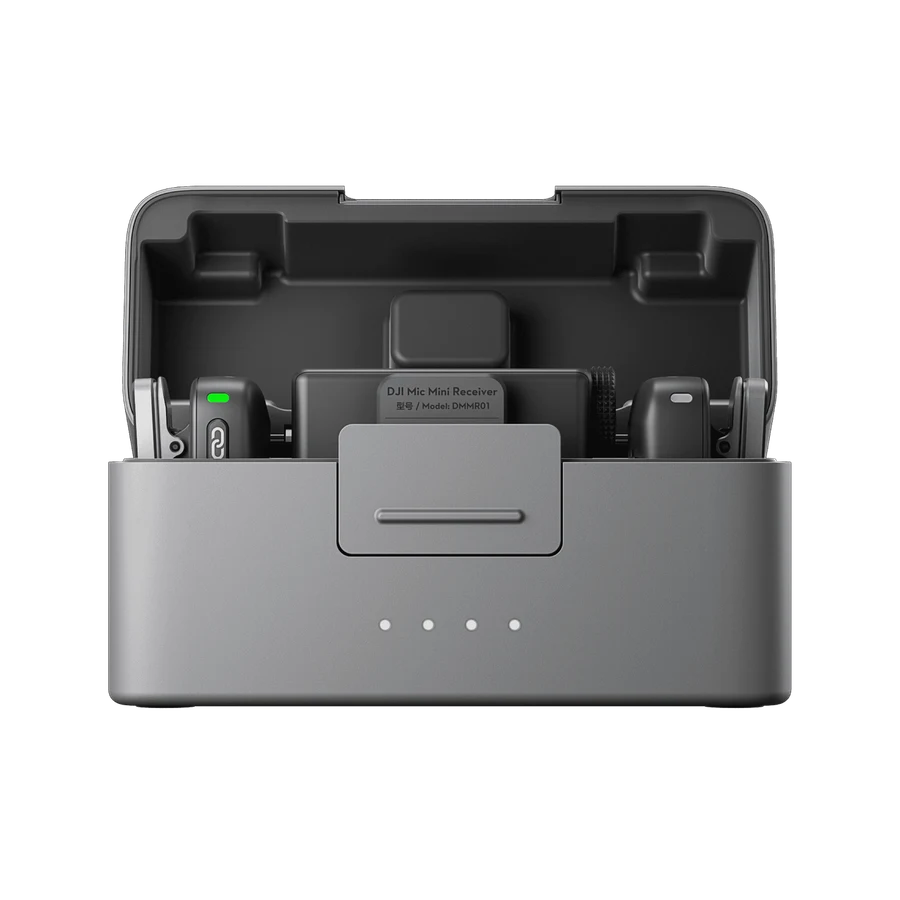
Keep every component identifiable
A creator kit should be a defined bill of materials, not a photograph of attractive products. List the camera already owned or being supplied, microphone configuration, mount, power source and required adapters. Give each component a model identifier and quantity so a buyer can compare the complete offer with another supplier’s quotation.
Approve interfaces before discussing presentation
Check how audio reaches the recording device, how each accessory attaches and how the charging arrangement serves the intended equipment. Items appearing together in this guide are examples for a purchasing workflow, not a pre-certified compatible bundle. Obtain model-specific confirmation and test the assembled sample before selling it as a ready-to-use kit.
- State all exclusions, especially cameras and phones shown in examples.
- Specify the destination plug and packaging language.
- Require approval for any component substitution.
Agree the receiving and support record
Keep an approved packing photograph, serial or batch-recording requirements and a short functional checklist with the purchase order. Identify which party handles support for each component and in which territory. Availability, lead time and warranty are quotation terms to confirm, not benefits automatically created by putting several recognized brands in one box.
Common buyer questions
Frequently asked questions.
Does a suggested product combination guarantee compatibility?+
No. Treat it as an inquiry starting point until exact models, interfaces, package contents and the assembled sample have been approved.
Turn product knowledge into a precise buying request.
Tell us the destination, products, quantity, configuration and delivery requirements.