Building an EcoFlow assortment: stock use cases, not every bundle variation
Organize a distributor’s first energy-product range around customer tasks, regional identity and the support burden of each category.
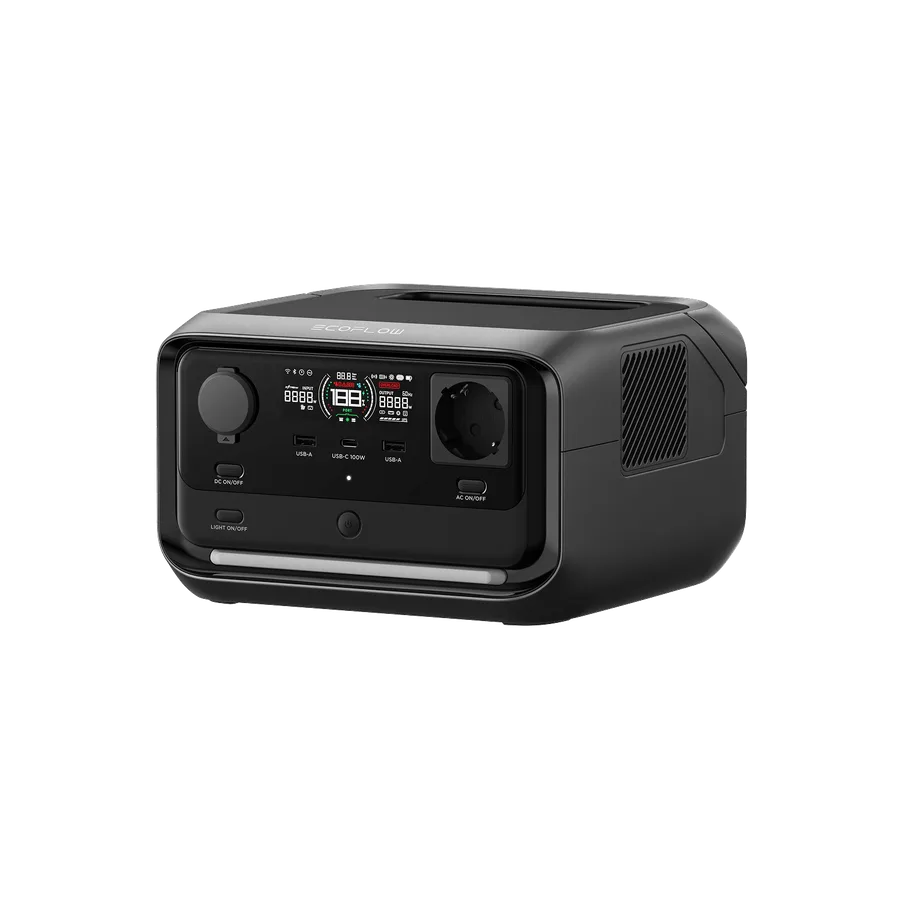
Group demand by the job customers need done
Separate compact device charging, longer portable runtime, solar replenishment and installed-system projects. Each group needs different sales questions and support knowledge. A long manufacturer catalog is a reference library, not evidence that every configuration belongs in the first purchase. Avoid counting promotional bundle names as distinct customer needs.
Keep regional and accessory complexity visible
For each proposed core model, record the target region, required plug, essential cables and approved expansion options. Too many near-identical variations can create receiving errors and stranded accessories. Choose a small number of clearly differentiated configurations, then expand when actual enquiries and support experience justify the additional complexity.
Use evidence to guide replenishment
Track enquiry type, quotation conversion, accessory shortages and after-sales causes separately. A fast-selling station with repeated cable confusion may need a clearer bundle rather than a new model. Keep seasonal assumptions explicit and avoid treating manufacturer promotions as proof of sustained demand in your destination market.
- Review ageing stock by model and region.
- Separate service spares from sellable bundles.
- Revisit the range after a defined sample sales period.
Common buyer questions
Frequently asked questions.
Should a new distributor list every reference as in stock?+
No. A broad reference catalog can support enquiries, but stock and lead-time statements should reflect verified availability. Make special-order, regional and compatibility conditions clear.
Turn product knowledge into a precise buying request.
Tell us the destination, products, quantity, configuration and delivery requirements.