Choosing an EcoFlow RAPID USB-C cable: power rating is not a data specification
Separate charging capability, data requirements, length and mechanical fit when building a USB-C accessory assortment.
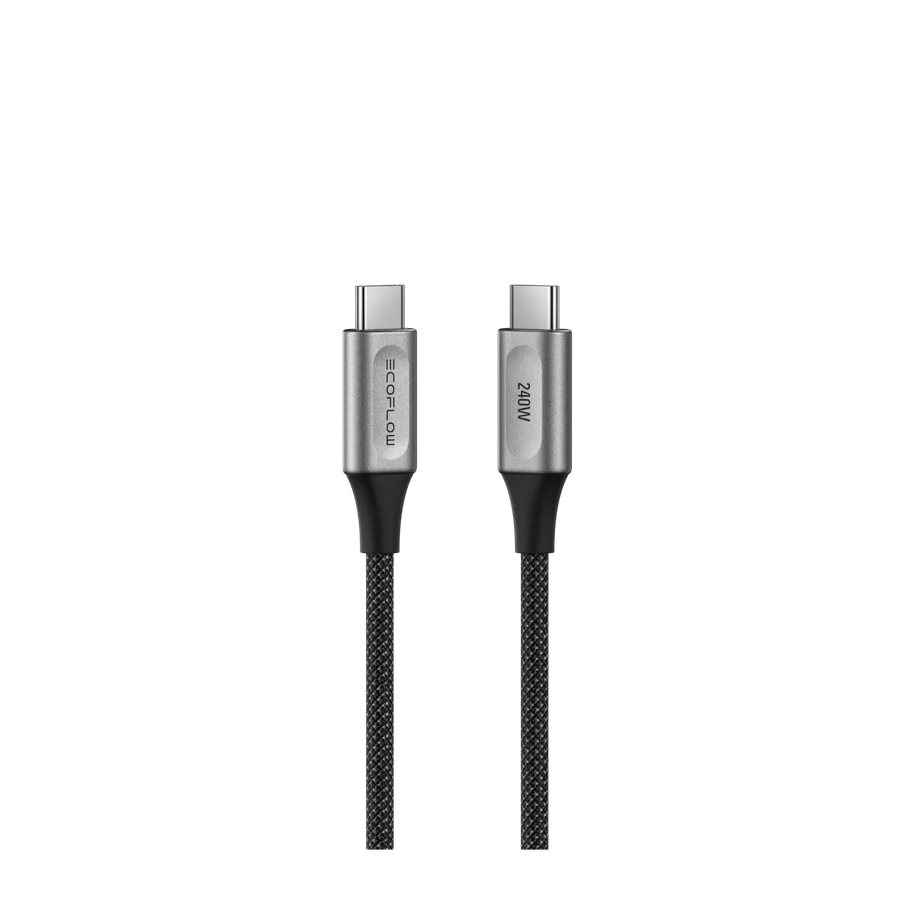
Write separate requirements
A cable selected for charging a laptop may not satisfy a buyer who also expects high-speed file transfer or video. Record those needs independently. A high wattage in a cable’s name should not be used as evidence of a particular data speed or display capability unless the exact product specification states it.
Match the complete charging chain
Check the charger, receiving device and cable together. The cable rating describes a capability within a compatible system, not the power that every connected device will draw. Include the required length and connector access in the sample check, especially where a case or crowded desk restricts physical fit.
Keep accessory substitutions controlled
Cables are often treated as interchangeable low-value items, but an unreviewed substitution can undermine a premium charger bundle. Record the approved cable reference in the packing list. If the supplier offers a different model, compare its documented functions instead of accepting a similar appearance or braided finish as equivalent.
- Do not infer data rate from charging wattage.
- Check bend and routing requirements without forcing the connector.
- Keep manufacturer markings and packaging references in receiving photos.
Common buyer questions
Frequently asked questions.
Will a 240 W cable charge every laptop at 240 W?+
No. Actual power depends on the compatible charger, device and negotiated operating conditions. The cable rating does not override the limits of either endpoint.
Turn product knowledge into a precise buying request.
Tell us the destination, products, quantity, configuration and delivery requirements.