Insta360 GO Ultra market-entry playbook for emerging-market channels
A bounded pilot plan for testing customer fit, pricing, demonstration, support and replenishment before scaling Insta360 GO Ultra in a new market.
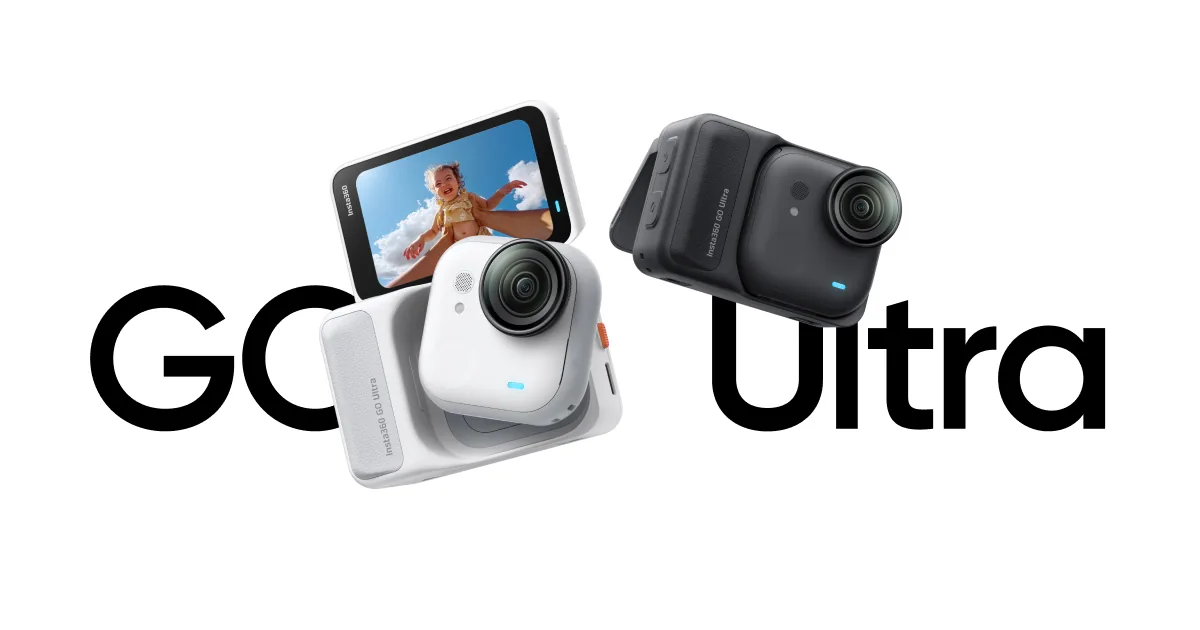
Write a channel hypothesis before ordering stock
The working hypothesis is that Insta360 GO Ultra can serve lightweight wearable point-of-view capture for lifestyle, family and creator use. The most relevant channel possibilities are lifestyle electronics, travel accessories, family imaging and creator-led retail.
Within the market-entry playbook for Insta360 GO Ultra, define the target customer, use case, acceptable retail price range, competing alternatives and reason to choose this configuration. In the Insta360 GO Ultra buyer record, A hypothesis makes it possible to stop or revise the plan when evidence is weak.
Localize the complete offer
Within the market-entry playbook for Insta360 GO Ultra, localisation includes language, voltage or plug where applicable, app access, warranty explanation, compatible accessories or film, sales training and a realistic replenishment promise.
In the Insta360 GO Ultra buyer record, use the three verified product signals—1/1. 28-inch sensor; 4K / 60 fps video; 53 g standalone camera—but adapt the demonstration and message to the local customer rather than copying a global launch campaign.
- Lock the exact commercial identity: Insta360 GO Ultra, regional SKU, color or edition, and every included component. Apply this check to the quoted Insta360 GO Ultra market entry playbook record.
- Use the manufacturer-listed capabilities as checkpoints: 1/1.28-inch sensor; 4K / 60 fps video; 53 g standalone camera. Apply this check to the quoted Insta360 GO Ultra market entry playbook record.
- Document the high-risk validation focus before approval: camera-module versus Action Pod operation, magnetic mounting, storage, battery and transfer workflow. Apply this check to the quoted Insta360 GO Ultra market entry playbook record.
Run a bounded pilot with measurable evidence
In the Insta360 GO Ultra buyer record, start with a limited quantity and one or two clearly defined configurations. For this Insta360 GO Ultra decision, track qualified inquiries, demonstrations, conversions, accessory attachment, returns, support contacts, gross margin and reorder time.
The pilot must verify camera-module versus Action Pod operation, magnetic mounting, storage, battery and transfer workflow. For Insta360 GO Ultra, if the sample or customer workflow reveals a gap, adjust the bundle, training or channel before increasing inventory.
Scale only when commercial and route evidence agree
For this Insta360 GO Ultra decision, A successful pilot still requires reliable supply, destination eligibility and repeatable logistics. For Insta360 GO Ultra, review lithium-battery documents, bundle-level packing detail, app availability and warranty-region confirmation before every scale decision.
For Insta360 GO Ultra, set expansion, pause and exit thresholds in advance. Within the market-entry playbook for Insta360 GO Ultra, sustainable growth means the product, service model, payment path and replenishment rhythm all work together.
Common buyer questions
Frequently asked questions.
What is a sensible first market order?+
A bounded pilot sized to test real demand, support load and replenishment without creating excessive unsold inventory. The relevant commercial position is lightweight wearable point-of-view capture for lifestyle, family and creator use.
Which metrics matter beyond sales?+
Track qualified inquiries, demonstrations, conversion, accessory attachment, returns, support cases, margin and reorder lead time. The documented validation focus is camera-module versus Action Pod operation, magnetic mounting, storage, battery and transfer workflow.
When should a market launch pause?+
Pause when product identity, route legality, carrier acceptance, support, pricing or repeat supply is unresolved. The intended channel context is lifestyle electronics, travel accessories, family imaging and creator-led retail.
Turn product knowledge into a precise buying request.
Tell us the destination, products, quantity, configuration and delivery requirements.