Neck mount, backpack mount or extension rod: choose the shooting position first
A practical way to compare Osmo mounting accessories without assuming universal fit or suitability for every activity.
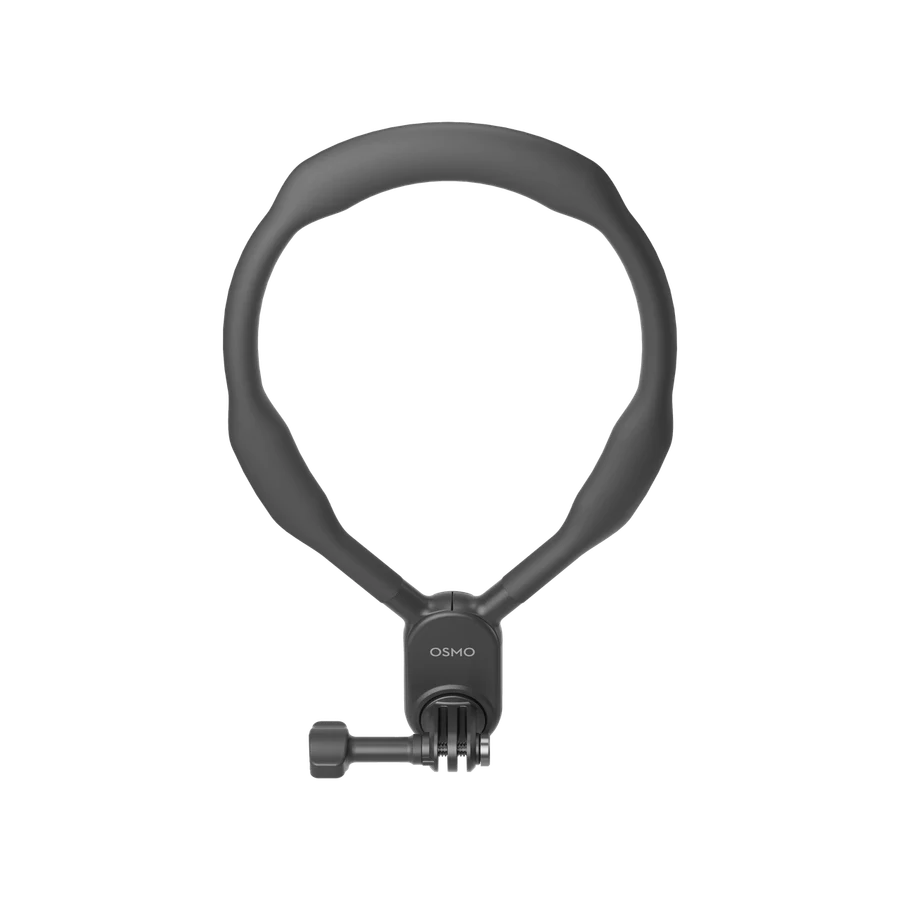
Describe the shot and the environment
A body-worn mount and a handheld rod create different viewpoints and operating demands. Ask whether the camera is intended for a walking demonstration, a stationary presentation or an activity with more movement. Do not market an accessory as safe for every sport simply because it is sold alongside an action camera.
Check the entire mechanical connection
Record the camera model, protective frame if any, adapter and mounting accessory. Inspect how the parts lock together and whether the user can see that the connection is seated. For a strap mount, test the actual strap width and construction. For a rod, check the locking mechanism at the positions the user plans to use.
- Use the manufacturer’s mounting and activity limitations.
- Check lens clearance and access to camera controls.
- Do not infer waterproofing from the camera alone.
Make the quotation match the setup
Some photographs illustrate a camera or adapter that may not be supplied with the mount. List those components explicitly. Keep the approved assembled-sample photo with the order, and require confirmation before changing an adapter revision. The receiving team should check the full connection, not just count rods or straps.
Common buyer questions
Frequently asked questions.
Is the longest extension rod always the better purchase?+
No. Choose length and handling around the intended shot, supported equipment and operating conditions rather than a larger number alone.
Turn product knowledge into a precise buying request.
Tell us the destination, products, quantity, configuration and delivery requirements.