EcoFlow charging at a shop or warehouse: plan the supply, not just the speed
Define a safe operational charging plan for sample and inventory units without overloading shared facilities.
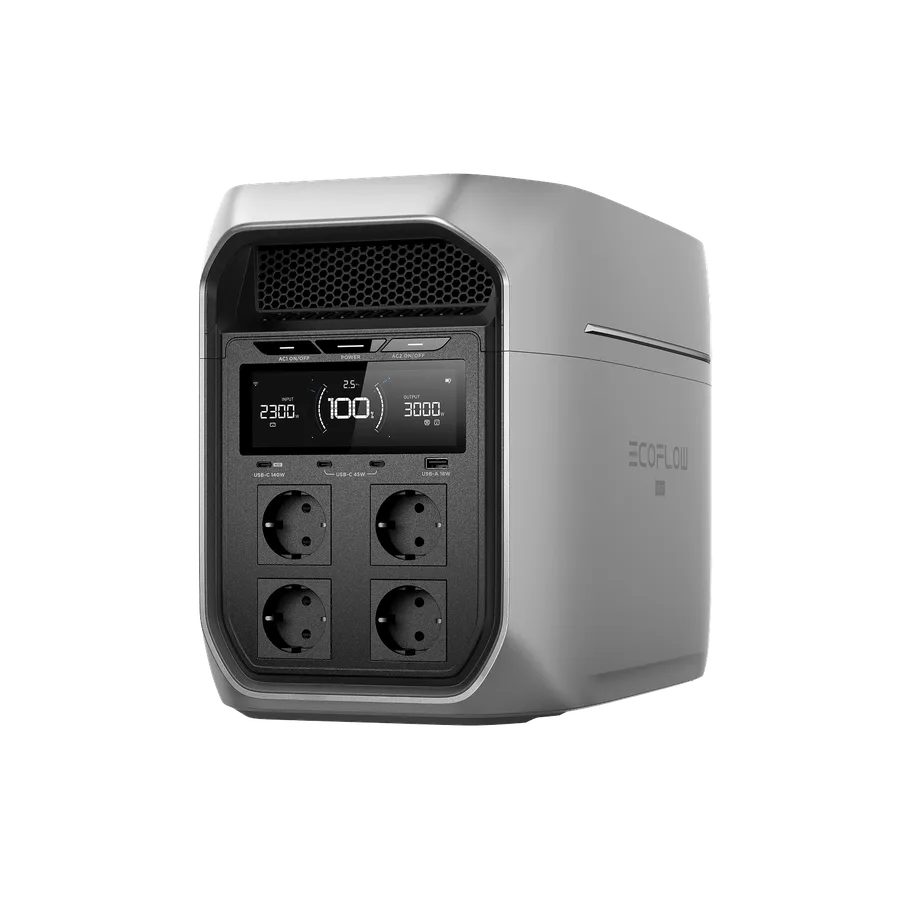
Inventory the shared demand
Fast charging is useful only when the location can support the intended operation. Identify other equipment using the same supply and ask the site’s qualified electrical professional to assess the planned charging activity. Do not assume that several stations can be charged simultaneously because each works when connected alone.
Follow the specific operating limits
Use the correct regional charging lead and the station’s official instructions. Keep ventilation and environmental requirements visible in the work instruction. Do not daisy-chain adapters, improvise distribution equipment or override a protection trip to achieve a faster turnaround. A charger setting is not a substitute for a suitable electrical supply.
Make custody and supervision clear
Assign sample units a charging record so staff can distinguish a unit being prepared for demonstration from stock held for dispatch. Record faults and unusual behavior, isolate questionable units through the site’s safety process and obtain manufacturer guidance. Define who may change charging settings rather than leaving them undocumented.
- Keep access routes unobstructed.
- Use a reviewed schedule for multiple samples.
- Separate normal charging from fault investigation.
Common buyer questions
Frequently asked questions.
Should every sample always use maximum charging speed?+
Not as a blanket policy. The approved product settings, site supply and operational purpose determine the charging procedure; consult the exact documentation and responsible site professional.
Turn product knowledge into a precise buying request.
Tell us the destination, products, quantity, configuration and delivery requirements.