RIVER 3 backup use: qualify the workload before promising continuity
Evaluate a small power station against the actual connected device instead of treating every backup-power claim as a UPS guarantee.
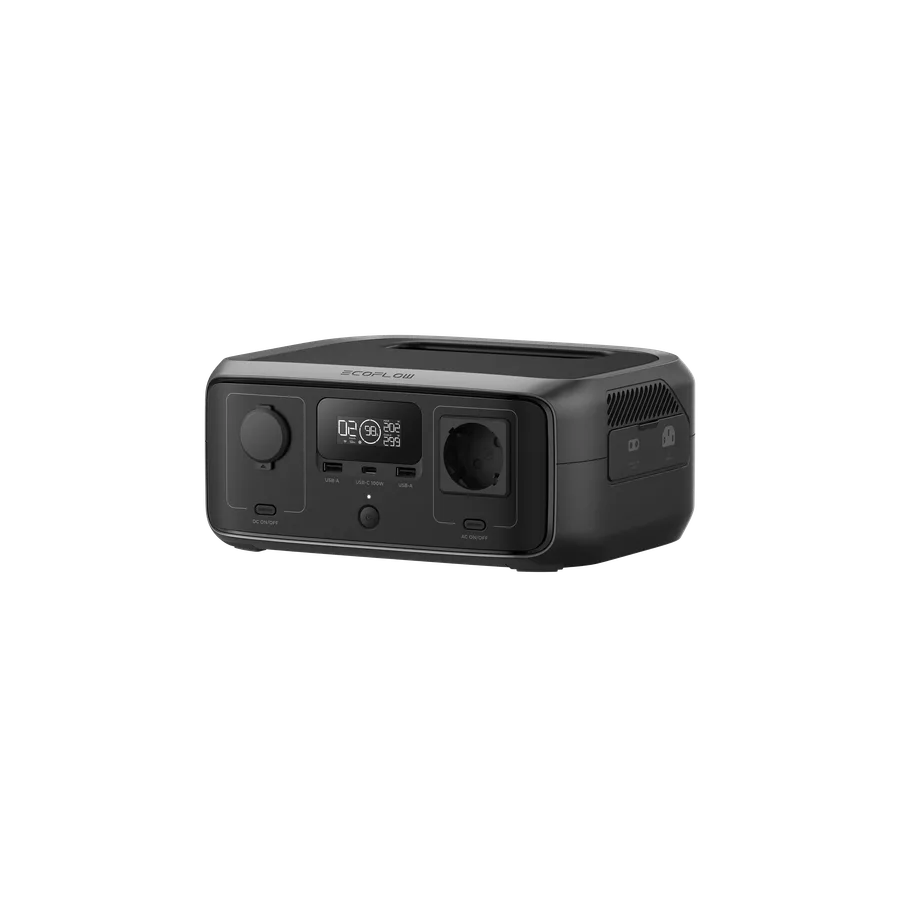
Define what interruption means to the buyer
A camping lamp, router and transaction terminal do not share the same tolerance for a power interruption. Ask which function must continue, whether a reboot is acceptable and what the consequence of data loss would be. Do not recommend a portable station for a safety-critical or medical duty on the basis of general backup wording.
Read the exact model documentation
The RIVER family contains distinct models. Check the operating mode and limitations of the specific unit; do not transfer a specification from a Plus variant to the base station. If the workload needs uninterrupted power, require a suitable purpose-qualified solution rather than assuming the station replaces a dedicated UPS.
Use a controlled non-critical sample
Where the manufacturer permits the intended use, test a representative non-critical device under supervision and record whether it resets. Repeat with the relevant settings and realistic connected load. A successful demonstration with one router is not evidence that all computers or network devices will behave the same way.
- Record device model and power supply.
- Observe low-load and idle behavior.
- Keep important data protected by its own backup process.
Common buyer questions
Frequently asked questions.
Does a fast transfer-time claim guarantee compatibility?+
No. Transfer time is only one factor. Device tolerance, operating mode, load and manufacturer restrictions all matter; the application must be assessed separately.
Turn product knowledge into a precise buying request.
Tell us the destination, products, quantity, configuration and delivery requirements.