RIVER 3 Plus travel kits: balance useful accessories against carrying burden
Design a compact retail or rental bundle around the buyer’s actual charging workflow, not a long list of optional accessories.
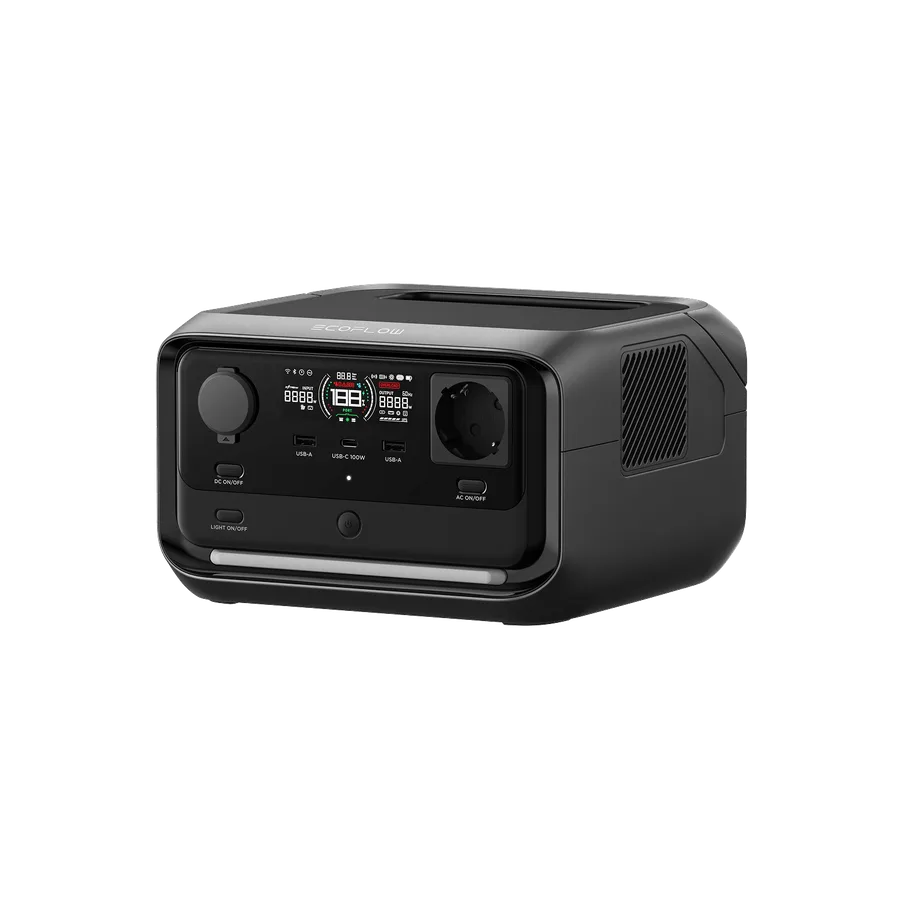
Start with the trip, not the accessory shelf
Ask how the station will be carried, how long it will be away from a charging point and which devices it must support. A small creator kit has different priorities from a stationary shop backup. List the required charging routes and reject accessories that do not serve the stated journey.
Price expansion as a separate choice
Where a compatible expansion option is proposed, confirm the exact supported combination and its connection hardware. Compare the full carried system rather than the station alone. Include the transport case, charging leads and any panel in the physical packing assessment. Extra energy may be useful but can change whether the kit is genuinely portable for the buyer.
Make handover easy to repeat
Provide an inventory card showing which cable is used for each charging route, together with the relevant official instructions. Ask a sample user to unpack, identify and repack the approved contents. This checks the clarity of the bundle, not just the operation of the station.
- Separate essential from optional items on the quote.
- Confirm whether each cable is actually included.
- Avoid treating a bundle photograph as the packing list.
Common buyer questions
Frequently asked questions.
Is the largest accessory bundle always better?+
No. A smaller complete kit can be easier to use and support. Add components only when the buyer can explain the operational need and the supplier confirms compatibility.
Turn product knowledge into a precise buying request.
Tell us the destination, products, quantity, configuration and delivery requirements.