An EcoFlow runtime worksheet: label assumptions before quoting hours
Build transparent estimated runtimes with a load schedule, usable-energy assumption and reserve, then validate the intended application.
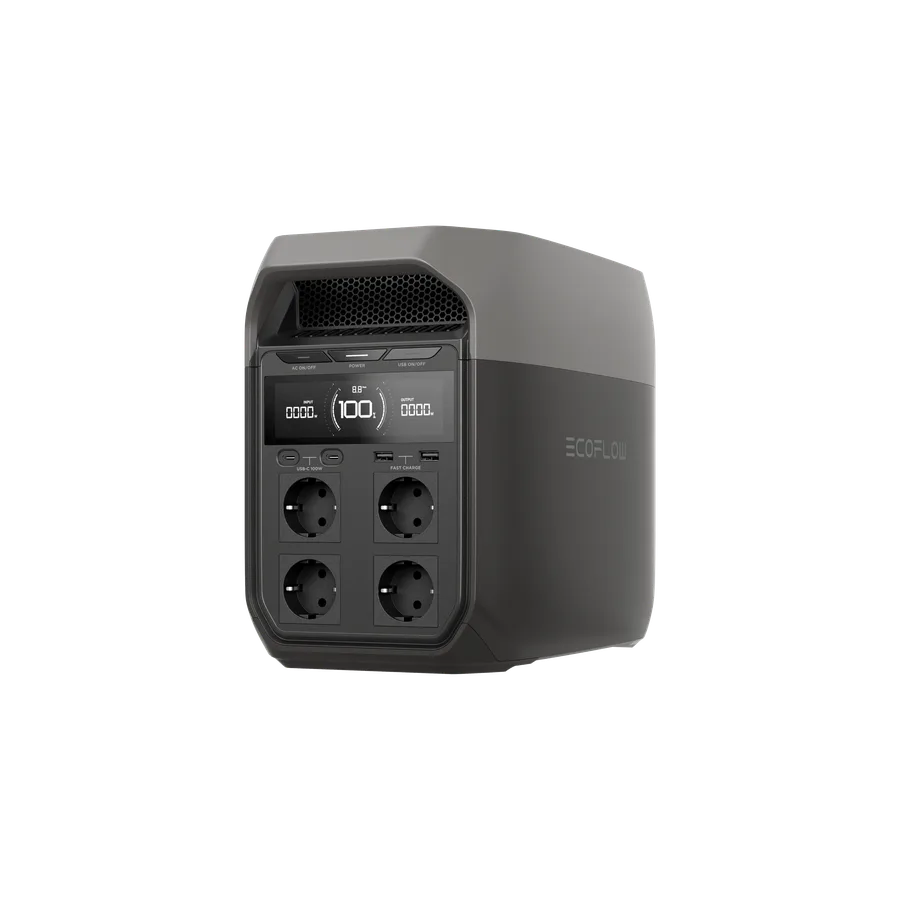
Use energy and average demand consistently
An idealized runtime is energy in watt-hours divided by average load in watts. For example, an assumed 1,000 Wh available to a steady 100 W load gives ten hours mathematically. This is a hypothetical calculation, not a DELTA 3 test result or a statement of usable battery energy.
State what the simple calculation omits
Real systems consume energy during conversion and standby. A compressor cycles, a laptop changes demand and the user may reserve charge for later. Build a daily schedule rather than multiplying a maximum appliance rating by every hour. Do not apply an invented universal efficiency percentage to every model and operating mode.
Turn the estimate into a sample protocol
Record starting and ending charge, measured demand, ambient conditions, output mode and device activity. Stop according to the official instructions and your agreed reserve. Compare the observation with the assumptions and revise the quotation wording. A procurement estimate should retain its conditions when it is reused by the sales team.
- Identify the measuring instrument and its limits.
- Keep peak-load qualification separate.
- Do not market a single demonstration as guaranteed runtime.
Common buyer questions
Frequently asked questions.
What should a runtime quotation contain?+
The specific station and battery configuration, workload, operating assumptions, reserve and whether the number is an estimate or a measured sample result. Without those conditions, an hours figure is ambiguous.
Turn product knowledge into a precise buying request.
Tell us the destination, products, quantity, configuration and delivery requirements.